

Study in UK
Unlock Your Future with a UK Education
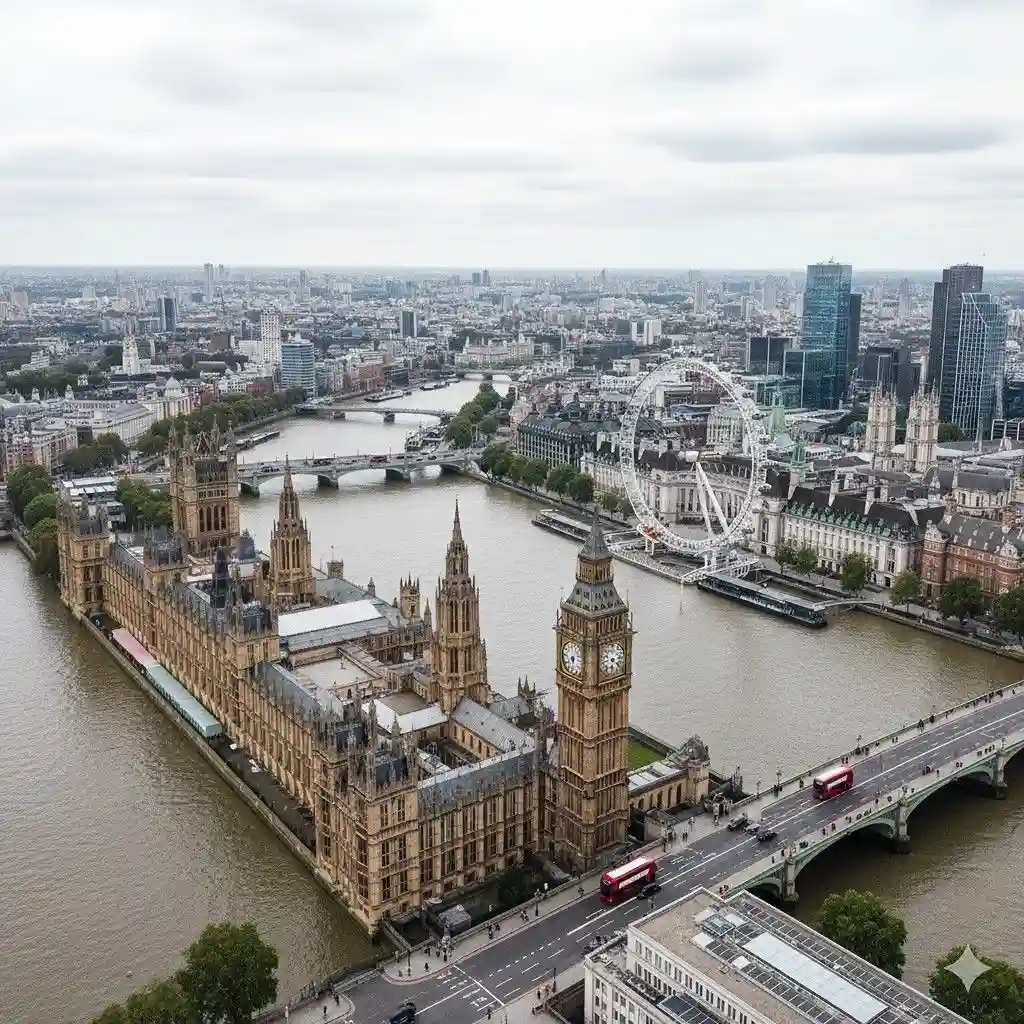
Quick Facts
Population:
67 million
Area:
243,610 km²
Time Zone:UTC+0 to UTC+1
United Kingdom Education System
The United Kingdom education system offers flexible options for students who wish to study in the UK without IELTS.
Many universities accept alternative proof of English proficiency, such as medium of instruction certificates, good English marks in previous studies, or their own English tests.
This makes it easier for international students to pursue quality education in the UK without the hurdle of IELTS, opening doors to world-class learning and career opportunities.
Overview
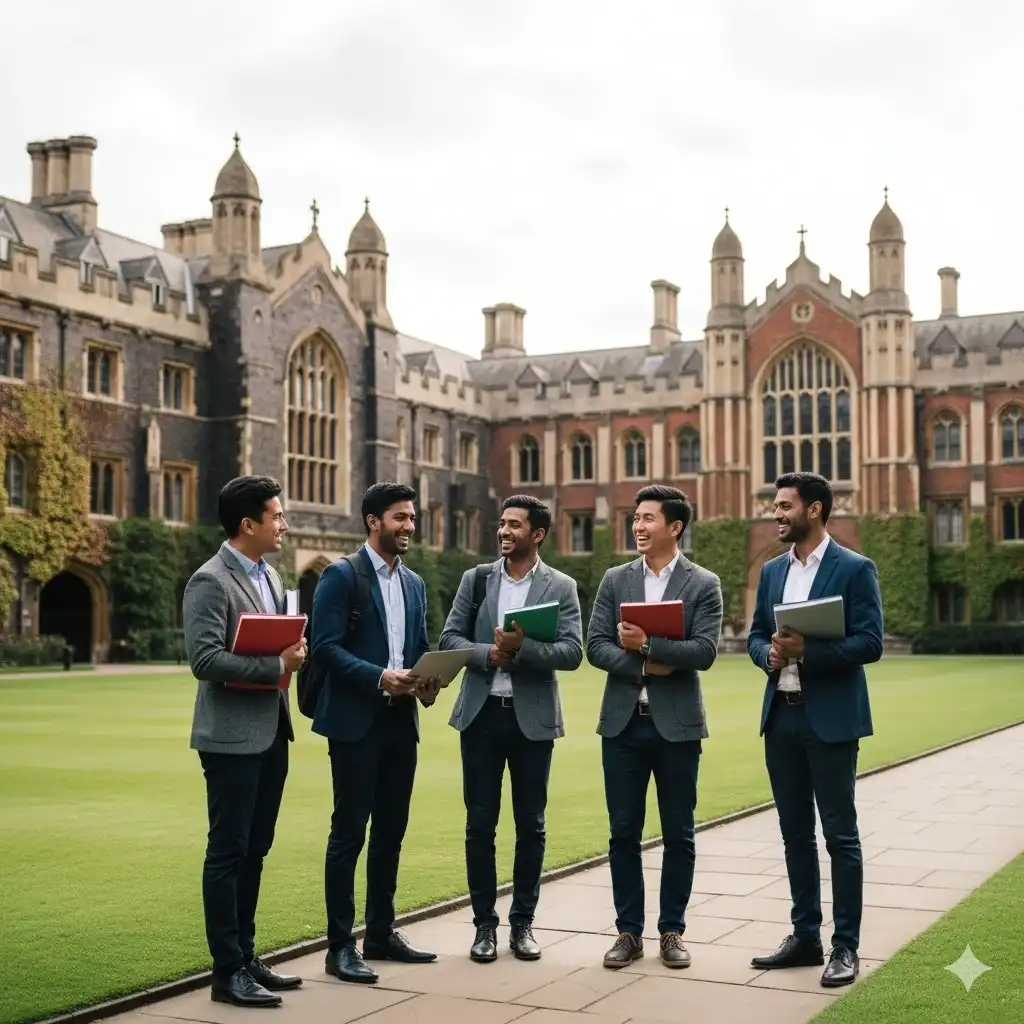
The United Kingdom is home to some of the world’s oldest and most prestigious universities. Renowned institutions like Oxford, Cambridge, and Imperial College London are celebrated for their academic excellence. Whether you seek a comprehensive undergraduate or postgraduate program, the United Kingdom universities offer a range of options, backed by high rankings and international recognition
General Information
The country’s rich history, vibrant student cities, and welcoming multicultural atmosphere make it an ideal destination for students seeking academic excellence and global exposure.
Capital:
London
Temperature: 5°C in winter to 23°C in summer
Languages:
English
Currency:
British Pound Sterling (GBP)
Study Across Global Universities
Skill Up Study Abroad connects you with global universities, providing tailored advice and full support for international students. Begin your global education journey with expert guidance, visa help, and career boosting services to open doors worldwide.






Popular Programs
Universities offer degree programs, skill-based training, and diploma options at different levels.
Sandwich programs run for four years and include a full year of structured industry experience.
First degree programs usually take three to four years to finish.
Diplomas and vocational studies last one to two years, with certificates granted by the Vocational and Technical Education Councils.
Master’s programs run for one or two years and may follow either supervised independent research or a taught academic route.